
Understanding the Benefits of Urban Walking Trails
Urban walking trails are becoming increasingly popular as cities strive to make outdoor spaces more accessible. Understanding the benefits of these trails can encourage individuals to embrace walking as a vital part of their outdoor recreation.
Understanding the Basics
Walking trails in urban areas serve as a bridge between nature and the hustle of city life. According to urban planning experts, these trails often promote physical activity and mental well-being. Studies show that regular walking can reduce the risk of chronic diseases and improve overall health.
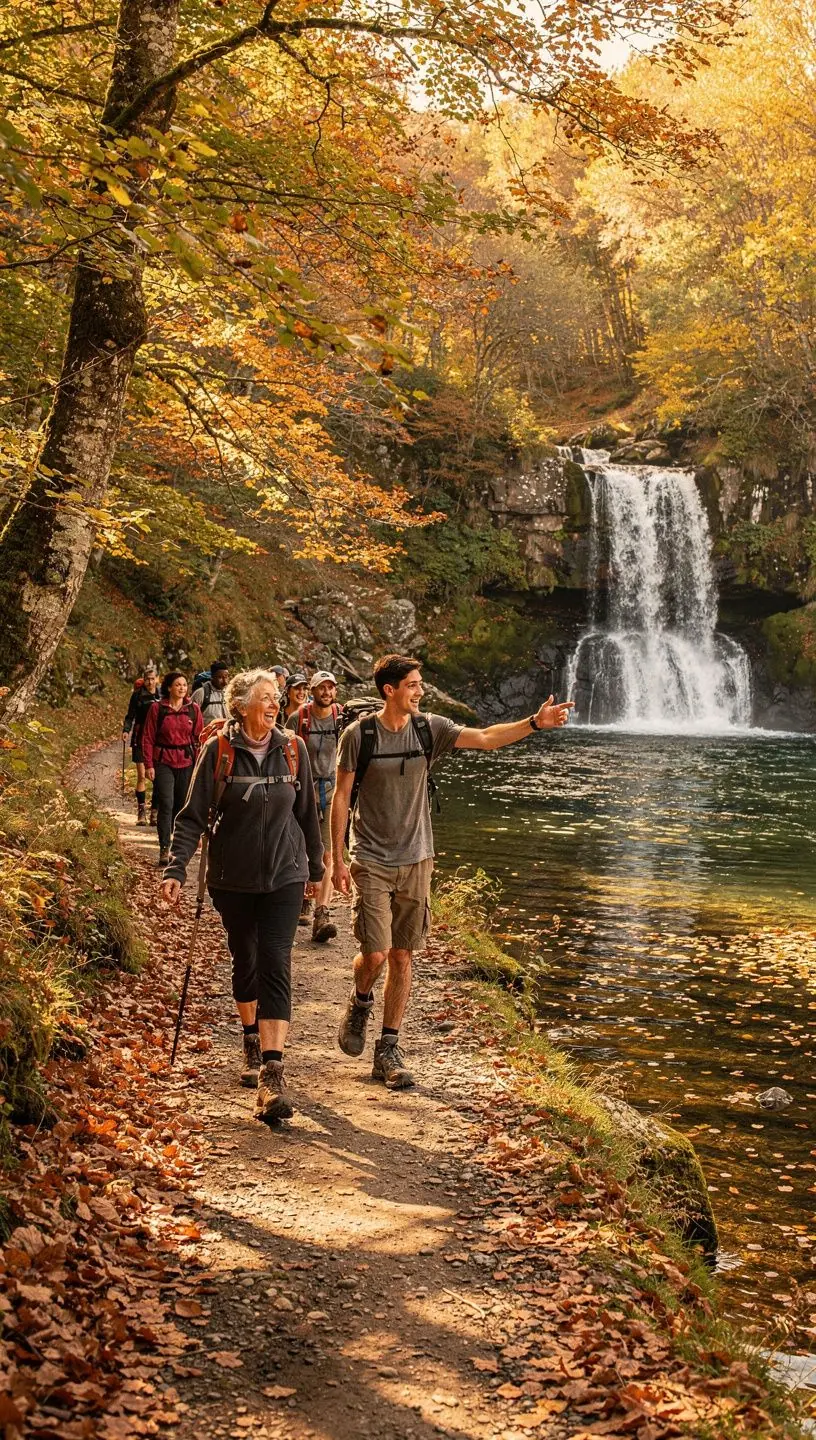
"Integrating nature into urban environments can significantly enhance quality of life," states a report from the Urban Land Institute.
Health Benefits of Walking Trails
Engaging with urban walking trails can offer multiple health benefits:
- Physical Fitness: Many users report that consistent walking helps improve cardiovascular health. Research indicates that walking just 30 minutes a day can reduce the risk of heart disease.
- Mental Clarity: Walking outdoors can also improve mood and cognitive functions. According to a study published in the Journal of Environmental Psychology, exposure to natural environments enhances mental well-being.
- Social Interaction: Urban trails often lead to community engagement. Walking in groups or participating in local events fosters social bonds.
Practical Application: Making the Most of Urban Walking Trails
To fully benefit from urban walking trails, consider the following practical tips:
- Choose Your Route: Research the trails available in your area. Many cities provide detailed maps highlighting distance and difficulty. This can help you find routes that fit your fitness level.
- Consistency is Key: Aim to walk regularly, ideally incorporating walks into your daily routine. Many experts suggest starting with 15-20 minutes sessions and gradually increasing the duration as you build stamina.
- Engage with the Community: Look for local walking groups or events that can enhance your experience. Engaging with others can motivate you to stay active and enrich your outdoor experience.
Acknowledging Limitations
While urban walking trails are beneficial, it is essential to recognize their limitations:
- Walking trails require a certain level of accessibility and maintenance. In some areas, paths may be uneven or poorly marked, which could affect safety.
- Weather conditions can significantly impact your ability to walk outdoors. Urban walking may not be ideal during extreme weather conditions, such as heavy rain or snow.
- Personal motivation plays a crucial role. Some individuals may need additional encouragement or external factors to engage consistently with outdoor walking.
Conclusion
Urban walking trails provide substantial benefits that contribute to both physical and mental health. By understanding how to utilize these spaces effectively, individuals can enhance their quality of life while enjoying the fresh air and natural surroundings. Consistency and community engagement are vital for making the most of your walking experience. With proper planning and commitment, urban walking can be a rewarding part of an active lifestyle.
Explore More