How to Plan a Cycling Route for Leisure
Cycling is a popular outdoor activity in Ireland, providing not only physical benefits but also an opportunity to explore the stunning landscapes. In this article, we will guide you through the essential steps to effectively plan a leisurely cycling route that enhances your outdoor experience.
Understanding the Basics of Cycling Route Planning
When planning a cycling route, it is important to consider several factors that can impact your overall enjoyment and safety. According to experts in outdoor recreation, a well-planned route can enhance your cycling experience significantly. Here are the key elements to consider:
Safety First
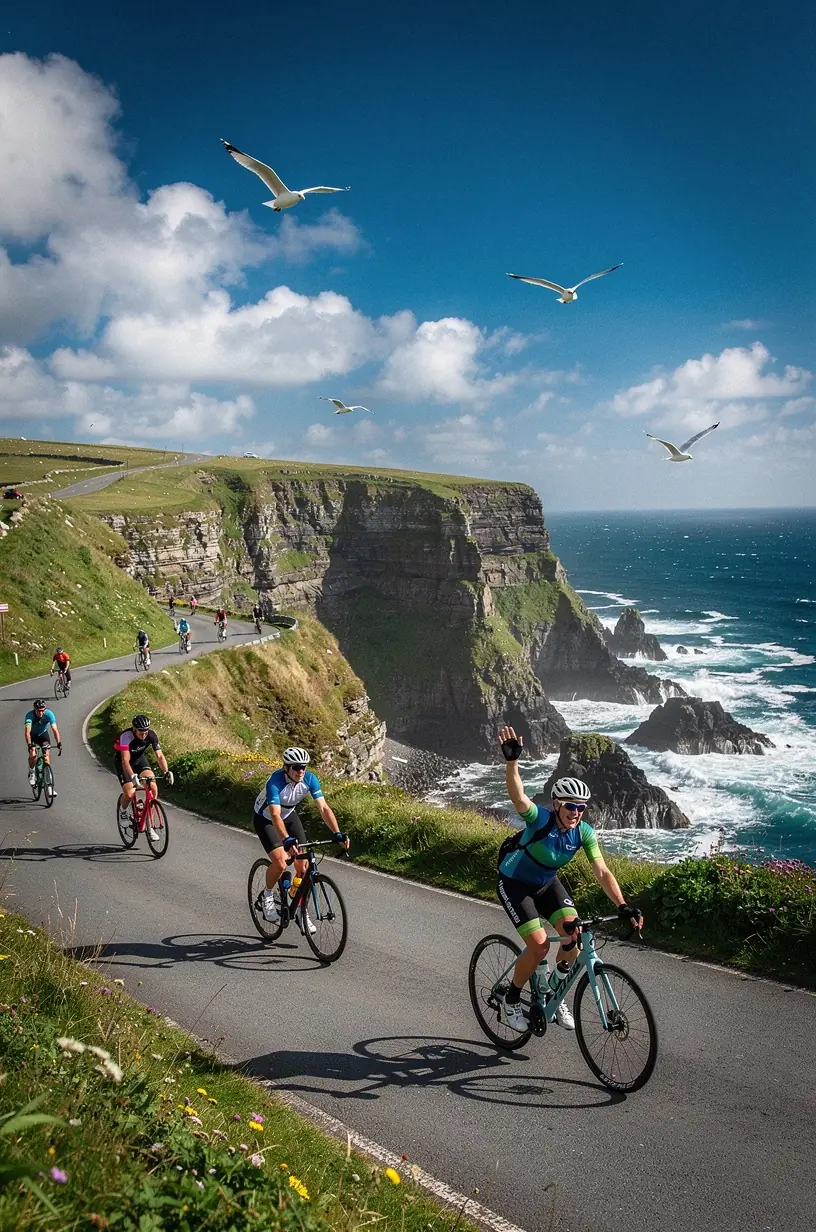
Before you set out, it's vital to assess the safety of your chosen route. Research shows that routes with dedicated bike lanes or less traffic are typically safer and may lead to a more enjoyable ride. In most cases, routes through parks or designated cycling paths are recommended for leisure cycling. This works because these paths are designed to minimize encounters with vehicles and provide a relaxed atmosphere.
"A safe route not only enhances your cycling experience but also encourages more people to take up cycling as a leisure activity." - Outdoor Recreation Expert
Researching Potential Routes
Utilizing online resources can greatly assist in identifying suitable cycling routes. Websites and apps dedicated to outdoor activities often provide user-generated content, including route maps, elevation profiles, and reviews from fellow cyclists. Many users report that platforms like Komoot and Strava are particularly useful for discovering local cycling paths.
Key Considerations
- Distance: Determine how far you want to ride. For leisure cycling, many find that 10-20 km is a manageable distance that allows for breaks and exploration.
- Terrain: Consider your comfort level with different terrains. Flat roads may be preferable for beginners, while more experienced cyclists might enjoy hills and scenic vistas.
- Points of Interest: Identify any attractions or rest stops along the route. Incorporating places to stop for refreshments or sightseeing can enhance the cycling experience.
Mapping Your Route
Once you've narrowed down potential routes, it's time to map your journey. Many cyclists advocate for the use of GPS devices or smartphone applications to navigate while riding. According to industry standards, having a clear map or navigation system can help you stay on track and avoid getting lost, especially in more rural areas. This is particularly important for those who may not be familiar with the terrain.
Creating a Flexible Itinerary
While planning is crucial, it's equally important to remain flexible. Weather conditions in Ireland can change rapidly, and many users advise checking forecasts before setting out. If conditions are not favorable, be prepared to adjust your route or choose a different day to ride.
"Flexibility allows you to adapt your plans and ensures a positive experience, regardless of unexpected challenges." - Cycling Enthusiast
Conclusion
Planning a cycling route for leisure involves a thoughtful approach that considers safety, terrain, and personal interests. By following the steps outlined in this article, you can create a cycling experience that is both enjoyable and enriching. Remember, the key to a successful ride is thorough preparation and a willingness to adapt. Happy cycling!
Explore More